terça-feira, 22 de dezembro de 2009

The H1N1 Effect


When faced with perceived health risks, consumers make purchasing decisions about a given product based on fear, conjecture and media hype versus the facts concerning the actual risk.

In the first two years after the term "Swine Flu" was used to describe the illness that mutated and jumped toH1N1 WHO Logo humans from pigs, the U.S. Pork Industry suffered losses estimated to be in excess of $5 billion. This despite the reality that what came to be known more frequently as H1N1 - partially as a result of the outcries from farmers - cannot be contracted from eating pork. And those loss figures do not, of course, include either the collateral damage caused to meat retailers and restaurants or comparable figures from other regions of the world.

Global reaction to the threat of BSE - most of us know it as "Mad Cow Disease" - was far in excess to the actual threat to humans.

Have you heard anyone say, during the past year or two, "I'll never buy anything made in China again" or the more frequent variation "I'll never eat food containing ingredients from China again - or give it to my pets."

Any number of U.S. food recalls, even after government announcements made it clear that the problems impacted or originated from a limited geographic area, prompted much more widespread consumer avoidance until the fear subsided - usually non-coincidental with the media and blogosphere finding something else to panic about.

I'm not a psychologist and hence will not try to explain why people react as they have. As a crisis management professional, I need only to know that they have, and will again, demonstrate what I call "The H1N1 Effect,", which occurs when consumers make fear-based irrational decisions about a perceived health risk that wreak extensive financial damage, threaten organizational and/or brand reputations, and cause severe business interruptions.

Knowing this, it is incumbent on crisis managers, particularly those involved with products which could potentially impact consumer health and/or safety, to be prepared when their stakeholders could be the next victim of "The H1N1 Effect." Some elements of preparedness would include:

* Closely tracking developments related to the health/safety of your products, using expert resources to help you spot early warning signs of risk.

* "What if..." brainstorming involving internal parties and external experts, the goal being to think through the process you would have to follow to respond should a worst-case scenario occur.

* Creating educational materials about your products and/or industry and its health/safety practices that could be widely and rapidly disseminated in response to the demand that would no doubt be created by an "H1N1 Effect" event.

* Ensuring that your organization/industry has a very strong online presence that can be used in the near-term to build a cushion of goodwill and during a crisis for rapid communication.

* Creating business continuity and crisis communications plans, with the latter including internal and external elements, both B2B and direct-to-consumer.

* Ensuring that appropriate personnel are trained to use those plans, to include media training and simulation exercises.

A lesson learned the hard way by some industries is that you shouldn't rely on the U.S. government or even your own trade organizations to protect your reputation and bottom line when the stuff hits the fan. For weeks after BSE was finally detected in a U.S.-based cow, I couldn't find a single restaurant server, or grocery store employee, who could tell me with certainty that the beef I bought at their locations was safe to eat. The government's announcements were all in consumer-unfriendly jargon, and the industry associations were completely unprepared despite the known threat. If they had been prepared to support their distribution chain with messaging that would minimize loss of sales, I would have been given a reassuring handout right on the scene.

segunda-feira, 21 de dezembro de 2009

H1N1 vaccine production to reach three billion in 2010


DPA September 21st, 2009 HONG KONG - The production of swine flu vaccines is on track to reach three billion inoculations within the next year, the head of the World Health Organization, Margaret Chan, said Monday.

About 25 companies worldwide are now producing vaccines against the H1N1 virus, Chan said on the opening day of the annual general meeting for WHO’s western Pacific region in Hong Kong.
“Most of these companies are in developed countries, but I am very pleased to see some developing countries are also moving into making their own vaccine, and China is one of the first examples,” Chan said.
WHO’s director general said five companies in China had received official approval to manufacture the vaccine against the virus, which has so far killed about 3,500 people worldwide.
Chan joined health experts from 37 countries and areas in the western Pacific region for the meeting, which runs until Friday.
In addition to the H1N1 pandemic, other topics on the agenda included malaria, HIV/AIDS and the impact of the global financial crisis on health services.

H1n1 News
India's swine flu toll jumps to 329
French supplier of seasonal flu vaccines acknowledges delay in producing doses for US
Taiwan launches world's first anti-swine flu spray
Seven swine flu deaths take India's toll to 316 (Roundup)
Two more swine flu deaths in Delhi, toll 13
Obama says $5B in stimulus grants from NIH will help research cures for cancer, diseases
Six deaths in India take swine flu toll to 309
Swine flu vaccine ready, enters Europe

domingo, 20 de dezembro de 2009

Signs and Symptoms of Swine Flu H1N1 Virus in Humans

Swine flu has brought a lot of fear all over the world. This word has now become one of the most terrible words. The correct knowledge can help you protect against it. Prevention is always better than cure. It is a type of influenza caused by H1N1 virus.

H1N1 virus is just another type of flu virus like other typical seasonal flu symptoms. The only difference is that the H1N1 virus has components of pig and bird influenza viruses in it, so that humans don't have any immunity to it. This has made it a pandemic virus that has the ability to cause a global outbreak because it could easily spread from person-to-person.

Swine Flu H1N1 Symptoms

It is very important to recognize the signs and symptoms of swine flu in the early stage. Generally the symptoms of H1N1 are similar to those of the common winter influenza. The symptoms of this flu begin 1-4 days after being exposed to a contagious person. Sudden chills and fever are generally the first symptoms. Temperatures usually remain between 100F and 104F for many days.

Other signs and symptoms can include

• Shortness of breath (dyspnea)
• Dry cough, runny nose or stuffy nose, scratchy throat and head congestion
• Chills
• Body aches (myalgia)
• Headache
• Fatigue or tiredness
• Sometimes diarrhea and vomiting

Emergency Warning Symptoms in Children

Signs of a more serious swine flu infection might include pneumonia and respiratory failure.

• Trouble breathing or fast breathing
• Gray or bluish skin color
• Severe or persistent vomiting
• Fever with a rash
• Not waking up or not interacting
• Not drinking enough fluids or liquid
• Irritability
• Symptoms of flu improve but then return with worse cough and fever

Emergency Warning Symptoms in Adults

• Difficulty in breathing or shortness of breath
• Pain or pressure in the abdomen or chest
• Severe or persistent vomiting
• Confusion
• Sudden dizziness

More serious symptoms indicate that the person with swine flu would need immediate medical attention.

To learn more about swine flu, how is it transmitted and prevention, you need to know the complete information on H1N1. Be sure to grab the book on swine flu to keep yourself and your family away from this pandemic disease.

10 Things You Must Know About H1N1 Vaccines


1. Multi-dose vials both seasonal and inject able H1N1 swine flu vaccines contain MERCURY, which is a known neurotoxin.
2. The vaccines contain FORMALDEHYDE and exposure to formaldehyde has been shown to increase the risk of developing certain CANCER. 3. It is unknown whether H1N1 vaccines are safe to give to all pregnant women, children and adults, especially if they are chronically ill or sick at the time of vaccination. 4. There was an increased risk of developing Gullain-Bare Syndrome (GBS), a sometimes fatal inflammation of the nerves, after the swine flu vaccination in 1976. 5. BGS and brain inflammation has been reported after seasonal influenza vaccination. 6. Swine flu vaccines have not been evaluated for the ability to cause cancer, damage genes or impair fertility. 7. It is not known whether H1N1 swine flue vaccines can harm the fetus if given to a pregnant woman. 8. One H1N1 flu vaccine manufacturer product insert states that immune response and safety was only evaluated "in 31 children between the ages of 6-26 months." 9. The live virus nasal spray H1N1 swine flu vaccine is not recommended for pregnant women, children under age two or anyone with a history of asthma. 10. The H1N1 swine flu influenza has not been associated with more serious disease or more deaths than seasonal influenza strains that have circulated in the past few decades.

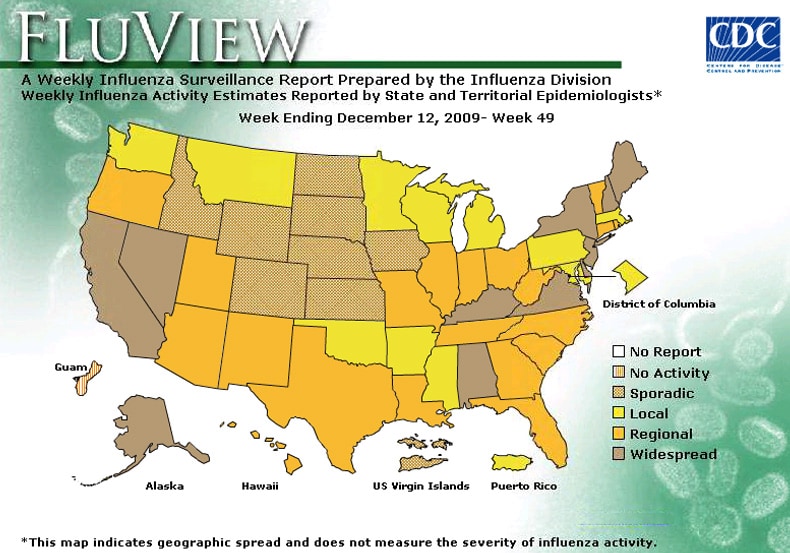
2009 H1N1 Flu: Situation Update

Pro and cons

CONS

Not enough information from the FDA. To early to start using it. Some doctors are even going as far as to tell their pharmacies not to recommend it yet. The reason behind most of those opposed?

Production of the vaccine was started before the FDA had concluded their testing. all of this was done to be certain that the vaccine would be available on time to distribute to the public.

There is even a FDA statement associated with the vaccine that states that "Clinical Studies are Ongoing" according to some doctors this can only mean that all of the evidence is not yet in.

Skeptics are telling us that this untested vaccine is potentially dangerous and unnecessary.

PROS

Immunize before it causes a major pandemic across the country. They want to vaccinate as many people as possible as quickly as possible.

This was the only way they had to get the vaccine to the public in time for the flu season.

Some say that there "were no shortcuts" by the FDA inspectors.

Some doctors also tell us that even though the vaccine production was speeded up, the quality of the inspections were just as thorough.

The production of the normal seasonal flu vaccine and the H1N1 Swine Flu vaccine differ very slightly.

It should be given to the public ASAP because children especially are at a higher risk for the H1N1 Swine Flu virus.

Priority for the H1N1 Swine flu vaccine are being given to health care workers, children and young adults ages 6 months to 24 years, adults who care for infants under 6 months, pregnant women and adults with conditions such as asthma or a compromised immune system that predispose them to complications from flu.

Emplyers and problems

Prior to any increase in instances of H1N1 at the workplace, employers should take simple steps to impress upon their workforce the importance of personal hygiene. Circulate an email or post a notice reminding employees about the possibility that swine flu infection may increase and that personal hygiene is critically important. Encourage employees to wash their hands frequently with soap and water or with hand sanitizers if there is no soap or water available, to avoid touching their noses, mouths and eyes, to cover their coughs and sneezes with a tissue, or to cough and sneeze into their upper sleeves if tissues are not available. Employees should always wash their hands or use a hand sanitizer after they cough, sneeze, or blow their noses.

It is recommended that employers engage the services of a healthcare professional with experience in communicable diseases. That healthcare professional can assist employers in dealing with health and other issues related to the flu.

Should employees begin to become infected with H1N1 flu, then the employer should advise employees to avoid close contact with coworkers and customers, avoid shaking hands, and always wash their hands after coming in contact with others.

The business should provide customers and the public with tissues and trash receptacles, and with a place to wash or disinfect their hands. The business should also keep work surfaces, telephones, computer equipment, and other frequently touched surfaces and office equipment clean at all times. Discourage your employees from using other employees' phones, desks, offices, or other work tools and equipment. Minimize situations where groups of people are in close contact, such as in a meeting. Instead, encourage the use of e-mail, phones, and text messages to communicate with each other.

A more challenging problem for employers is the application of the employer's absence policy in the event of a swine flu outbreak at the workplace. If an employee becomes infected with the disease, it is in the employer's interest that the employee remain away from work. On the other hand, concerns about this infectious disease might cause employees to remain away from work unnecessarily or, worse, to make a false claim of illness as a way of avoiding coming to work. Be sure to consult a healthcare professional for help with these types of issues.

Given the fact that it is in the best interest for every business to prepare for potential problems caused by H1N1, it is strongly recommended that employers review, and where necessary update and clarify its policy on absenteeism. The employer should immediately communicate any changes to that policy to employees. The policy on absenteeism should address such issues as whether a doctor's note will be required to justify any absences, and whether an employee will need clearance from a doctor in order to return to work. The policy should also deal with the question of what to do with employees who have used up any paid vacation or sick time, and yet, need to be away from work because they have contracted the swine flu.

The business should also make contingency plans to deal with the reality that many employees may be absent from work at the same time, thereby making it difficult, if not impossible, to perform critical functions. The employer should make arrangements for the use of temporary employees, and also thoroughly explore the option of permitting employees to work from home.

A swine flu outbreak poses significant challenges for employers. Begin preparing now, so that if the worst happens, you are ready.